
Succulents have taken the indoor gardening world by storm—and for good reason. With their sculptural shapes, striking textures, and vibrant colors, succulents bring a modern yet natural aesthetic into any space. They’re also low-maintenance and resilient, making them perfect for beginner and seasoned plant parents alike. But while they are hardy, they do have specific needs. If you want your indoor succulents to thrive—not just survive—this guide will walk you through everything you need to know.
Why Succulents Are Great for Indoor Spaces
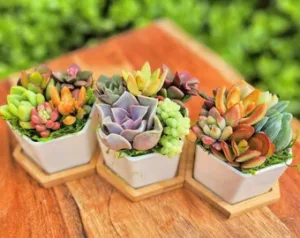
Succulents are adapted to dry, arid environments, storing water in their thick leaves, stems, or roots. This allows them to go long periods without watering, which is why they’re often recommended for those who tend to forget about their plants. Their compact size and slow growth also make them ideal for apartments, desks, and windowsills. Plus, their stunning variety means there’s a succulent for every style—whether you’re into minimalist vibes or something a little more whimsical.
Choosing the Right Succulents for Indoors
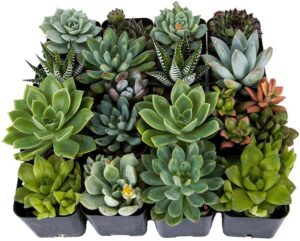
Not all succulents do equally well indoors. Some thrive better than others in lower light and more stable temperatures. Here are a few tried-and-true indoor varieties:
- Echeveria – Rosette-shaped and comes in a variety of colors; needs bright light.
- Haworthia – Small and spiky with striped or translucent leaves; tolerates lower light.
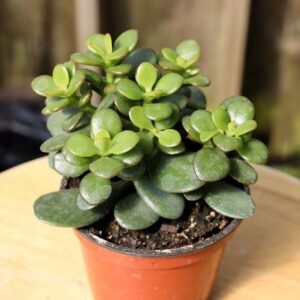
- Jade Plant (Crassula ovata) – Tree-like appearance and very easy to care for.
- Zebra Plant (Haworthiopsis attenuata) – Similar to aloe; compact and hardy.
- Aloe Vera – A classic that’s not only beautiful but also has soothing medicinal properties.
Light: The Most Important Factor
The number one reason succulents struggle indoors is lack of light. These plants are native to sunny, dry areas and need bright, indirect sunlight for several hours a day.
- Ideal lighting: A south or east-facing window with at least 6 hours of sunlight.
- If natural light is limited, consider using a grow light to supplement.
- Watch for signs of low light: stretching (etiolation), faded colors, or floppy growth.
Tip: Rotate your succulents regularly so all sides get light evenly, promoting symmetrical growth.
Potting and Soil
Succulents require excellent drainage. Regular potting soil retains too much moisture, which can lead to root rot. Instead, opt for a cactus or succulent-specific soil mix, or make your own by combining:
- 2 parts potting soil
- 1 part coarse sand or perlite
- 1 part pumice or crushed granite
Also, always plant your succulents in containers with drainage holes. Without drainage, it’s nearly impossible to control excess moisture.
Watering Indoor Succulents
Overwatering is the most common mistake. Indoors, succulents don’t dry out as fast as they do outdoors, especially in lower light and more humid environments.
- Water only when the soil is completely dry.
- Use the “soak and dry” method: water thoroughly until it drains out the bottom, then wait until it’s bone dry to water again.
- Avoid misting the leaves—succulents don’t absorb moisture this way and it can cause mold or rot.
In general, watering every 2–3 weeks is a good starting point, but always adjust based on your environment and season.
Temperature and Humidity
Succulents prefer warm, dry conditions—between 60°F and 80°F (15°C to 27°C). Most do well at average indoor temperatures, but they dislike sudden temperature drops or overly humid air.
- Keep them away from drafty windows, air conditioners, or heaters.
- Avoid placing them in bathrooms or kitchens where humidity is high.
If your home is especially humid, consider using a dehumidifier or increasing airflow with a small fan to help the soil dry out faster.
Fertilizing Succulents
Succulents are not heavy feeders, but a little nutrition during the growing season (spring and summer) can boost their growth and color.
- Use a balanced, diluted fertilizer (such as 10-10-10 or 20-20-20) once a month.
- Alternatively, use a cactus-specific fertilizer.
- Don’t fertilize during the dormant period (fall and winter), as this can stress the plant.
Common Problems and How to Fix Them
Even with proper care, succulents can sometimes run into issues. Here are a few common problems and what they mean:
- Stretching (Etiolation): Not enough light. Move to a brighter spot or use a grow light.
- Mushy, translucent leaves: Overwatering. Let soil dry completely and remove damaged leaves.
- Wrinkled or shriveled leaves: Underwatering. Give a thorough soak and adjust your watering schedule.
- Pests like mealybugs or spider mites: Wipe leaves with alcohol or use insecticidal soap.
Most succulent issues can be fixed with quick action and a little patience.
Propagating Indoor Succulents
One of the coolest things about succulents is how easy they are to propagate. Many varieties can grow new plants from leaves or stem cuttings.
- Gently twist off a healthy leaf or cut a segment of stem.
- Let it dry for a few days to callous over.
- Place on top of well-draining soil (do not bury it).
- Mist lightly every few days until roots form, then switch to a normal watering schedule.
It’s a fun way to expand your collection or share with friends!
Final Thoughts
Growing succulents indoors can be incredibly rewarding. With a little attention to light, soil, and watering, these hardy plants will thrive on your windowsill, desk, or shelf for years to come. They’re perfect for creating beautiful, low-maintenance green spaces—even if you don’t have a green thumb.
So go ahead, pick a few favorites, and start building your indoor succulent sanctuary. Once you get the hang of it, you might just find yourself addicted!



Add comment